Guides
What Is a Magic System? The Hidden Laws of Fantasy Worlds
A clear guide to hard magic, soft magic, sources, costs, limits, and why unlimited power usually weakens a fantasy story.
Magic in fantasy often begins as an image: a staff burning with light, a word opening a locked gate, a forest under a curse, a god answering through thunder, a sword that is more than metal. But behind every memorable act of magic there is a quieter question: how does this power work?
A magic system is the answer to that question. It is the pattern of rules, sources, costs, limits, and consequences that defines what magic can do in an invented world, what it cannot do, who can use it, why it sometimes succeeds, and why it sometimes fails. A magic system does not always need to feel like physics. It can be mysterious, sacred, emotional, folkloric, or half understood. What matters is that magic has weight.
In What Is Fantasy?, we described fantasy as more than the presence of impossible things. Here the idea becomes more practical. Magic becomes serious when it is not only spectacle, but a force the world must answer. If every wound can be healed, why is death still frightening? If every wall can be broken by a spell, why does imprisonment matter? If power has no price, why should characters ever face a hard choice?
A Simple Definition
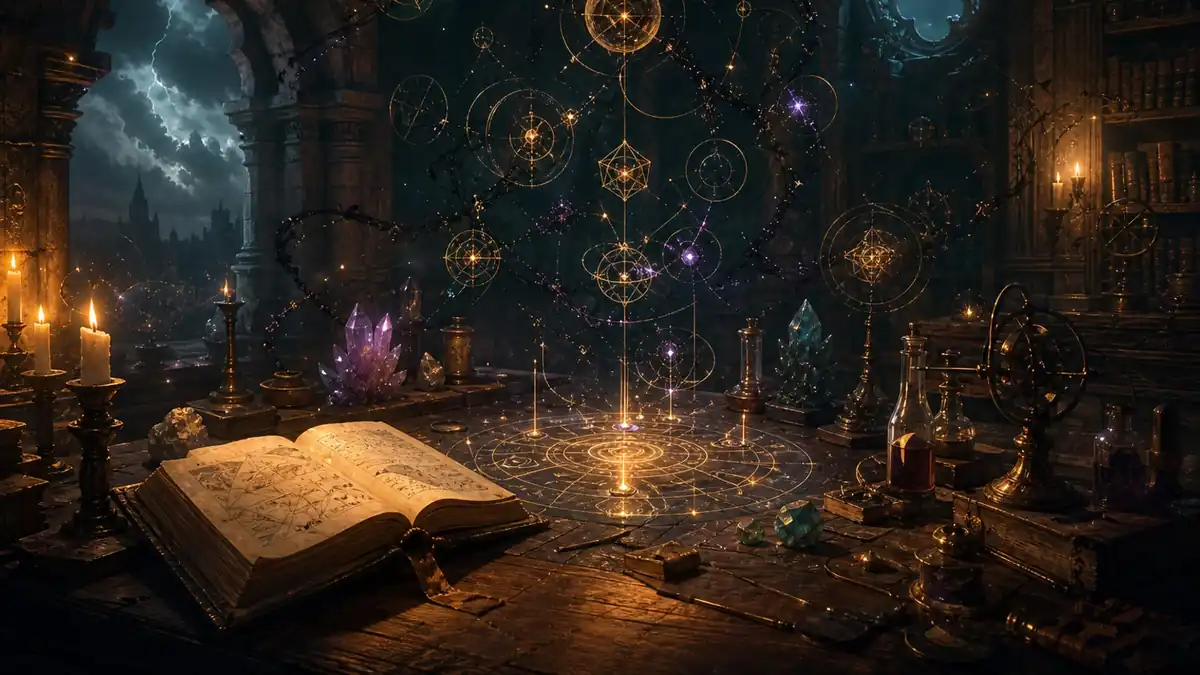
A magic system is the structure that explains how magic works in a story world. That structure may be explicit or hidden, strict or loose, divine or scholarly, ritualistic or instinctive. Sometimes the reader understands the rules clearly. Sometimes the reader only senses that a deeper order exists.
A system may answer where magic comes from, who can use it, what a spell requires, what it costs, what it cannot do, and how it changes society. It may also define who controls magical knowledge, who fears it, who profits from it, and who is punished for using it. When these questions are ignored, magic becomes a convenient device. Every problem can be solved by a new spell, and tension collapses.
When magic has resistance and consequence, it becomes part of the world. In What Is High Fantasy?, we looked at secondary worlds and mythic scale. In many great secondary worlds, magic is not just a weapon. It shapes history, government, religion, architecture, warfare, class, education, and even the ordinary fears of ordinary people.
Hard Magic and Soft Magic
One common way to describe magic systems is the difference between hard magic and soft magic. In hard magic, the audience usually understands the rules with some clarity. We know what a power can do, what it cannot do, and why a character can or cannot use it in a particular scene. This kind of magic is useful when the story wants magic to solve problems, because the solution can feel earned.
In soft magic, the rules are more mysterious. Magic may feel ancient, holy, dangerous, dreamlike, or beyond human categories. The audience may not know how far it can go, and that uncertainty creates wonder. Soft magic is powerful when a story wants awe, dread, myth, or the feeling that the world is larger than human understanding.
Neither approach is automatically better. Hard magic gives the story a sharper blade. Soft magic gives the world a deeper mist. The right choice depends on the promise of the story. If the plot is about training, strategy, clever solutions, or discovering the machinery of power, harder magic helps. If the story is about encountering something vast, sacred, or terrifying, softer magic may carry the emotional truth better.
The human meaning of power also appears in His Dark Materials: Dust, Daemons, and the Courage of Consciousness.
The Source of Magic
The first question for any magic system is simple: where does power come from? The answer shapes the personality of the world. If magic comes from nature, rivers, mountains, forests, weather, and animals become spiritually important. If it comes from language, names are dangerous and a single word can be a weapon. If it comes from blood, inheritance, bodies, family lines, and sacrifice move toward the center of the story.
Magic can come from gods, spirits, stars, elements, contracts with otherworldly beings, ancient knowledge, sacred objects, music, dreams, memory, death, faith, pain, mathematics, or the hidden structure of reality. Each source carries consequences. Divine magic makes belief and obedience matter. Scholarly magic creates schools, forbidden books, expert classes, and political control over knowledge. Sacrificial magic forces ethics into the heart of power.
The source is not decoration. It tells the reader what kind of world this is. A world where magic comes from song will not feel like a world where magic comes from law. A world where magic requires pain will not build the same culture as a world where magic grows from gardens. The source lets magic rise from the soil of the world instead of being pasted onto it as a beautiful effect.
Rules: The Invisible Walls of Power
Rules determine how magic moves. A spell may require a true name, a rare metal, a season, a gesture, a pact, a rhythm, or a wound. Fire magic may require something to burn. Healing may move pain from one body into another. Seeing the future may reveal possibilities, not certainty. These rules do not make magic smaller. They make it serious.
Unlimited magic sounds free, but it quickly becomes dull. If anything is possible, nothing is astonishing. If power has no edge, victory and failure lose weight. Rules give magic form in the same way a shoreline gives form to the sea. Without a shore, water only spreads.
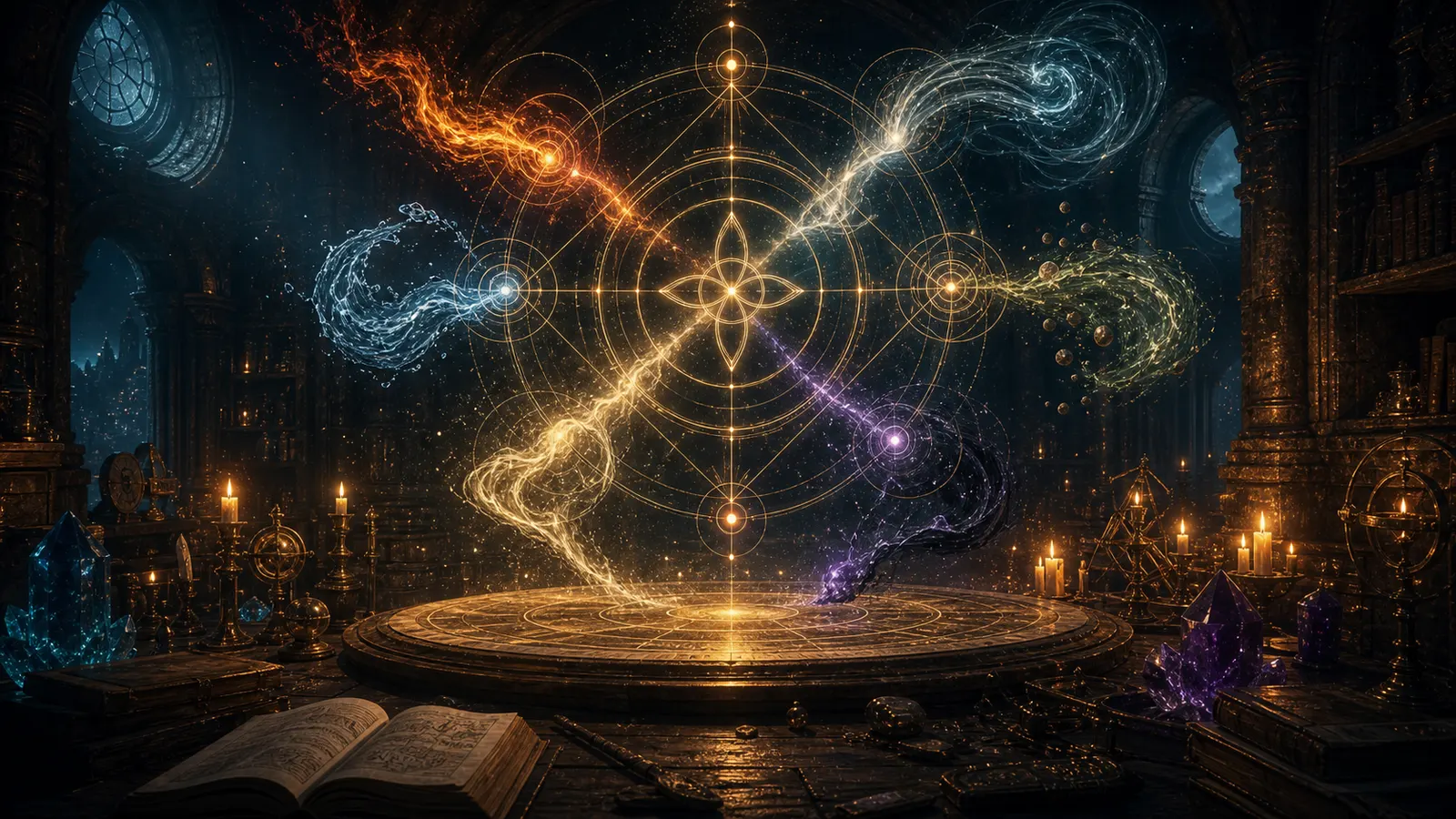
The reader does not need to know every rule. Even soft magic can suggest that there is a pattern beneath the wonder. A good mystery may remain hidden, but it should not feel random. The audience can accept not knowing every formula. It struggles when magic appears to change only because the writer needs an escape.
Cost and Consequence
Cost is one of the strongest parts of a magic system. Power becomes dramatic when it asks for something. That cost may be energy, time, a rare substance, concentration, blood, memory, years of life, social trust, sanity, faith, a relationship, or a moral compromise. It may be immediate or delayed. It may be visible to everyone or carried privately by the caster.
If healing saves the wounded but leaves the healer carrying a fragment of their pain, healing is no longer a simple button. If speaking with the dead opens a door that never fully closes, knowledge becomes dangerous. If prophecy gives a character more information but steals the innocence of choosing freely, knowledge becomes a burden.
Cost forces a character to choose. A magician no longer asks only, can I do this? They must ask, should I do this, and what will remain of me afterward? That is where a magic system stops being cold mechanics and becomes human drama.
Limits Keep Tension Alive
Limits mean magic cannot solve everything. This is essential for story. If a mage can destroy every enemy, heal every wound, learn every secret, and travel anywhere instantly, danger starts to dissolve. Readers begin to ask why the character did not use that power at the beginning.
Limits can be technical. A spell may require time, distance, materials, precision, or a particular environment. They can be psychological. Fear, grief, anger, or distraction may break control. They can be social. A kingdom, church, guild, or fearful public may regulate magical use. They can be moral. A spell may save one life by damaging another.
Limit is not the enemy of magic. Limit is what ties magic to story. Just as mortality gives life weight, inability gives power meaning.
Magic and Worldbuilding
If magic exists widely enough, it should change the world. Magical healing would affect medicine, war, poverty, and life expectancy. Teleportation would change trade, borders, espionage, and urban design. If only noble bloodlines can use magic, politics and inequality will grow around that fact. If magic is illegal, courts, prisons, informants, and public fear will appear.
One common mistake is to make magic enormous but leave the world untouched. That makes the setting feel artificial. If villagers know witches can call rain, agriculture and ritual will change. If armies know mages can burn stone walls, fortresses will change. If people know true names hold power, nobody will shout their real name in a market without reason.
A magic system means following consequences. Real power never arrives alone. It brings habit, law, fear, economy, myth, and institutions with it.
Magic in Dark Fantasy
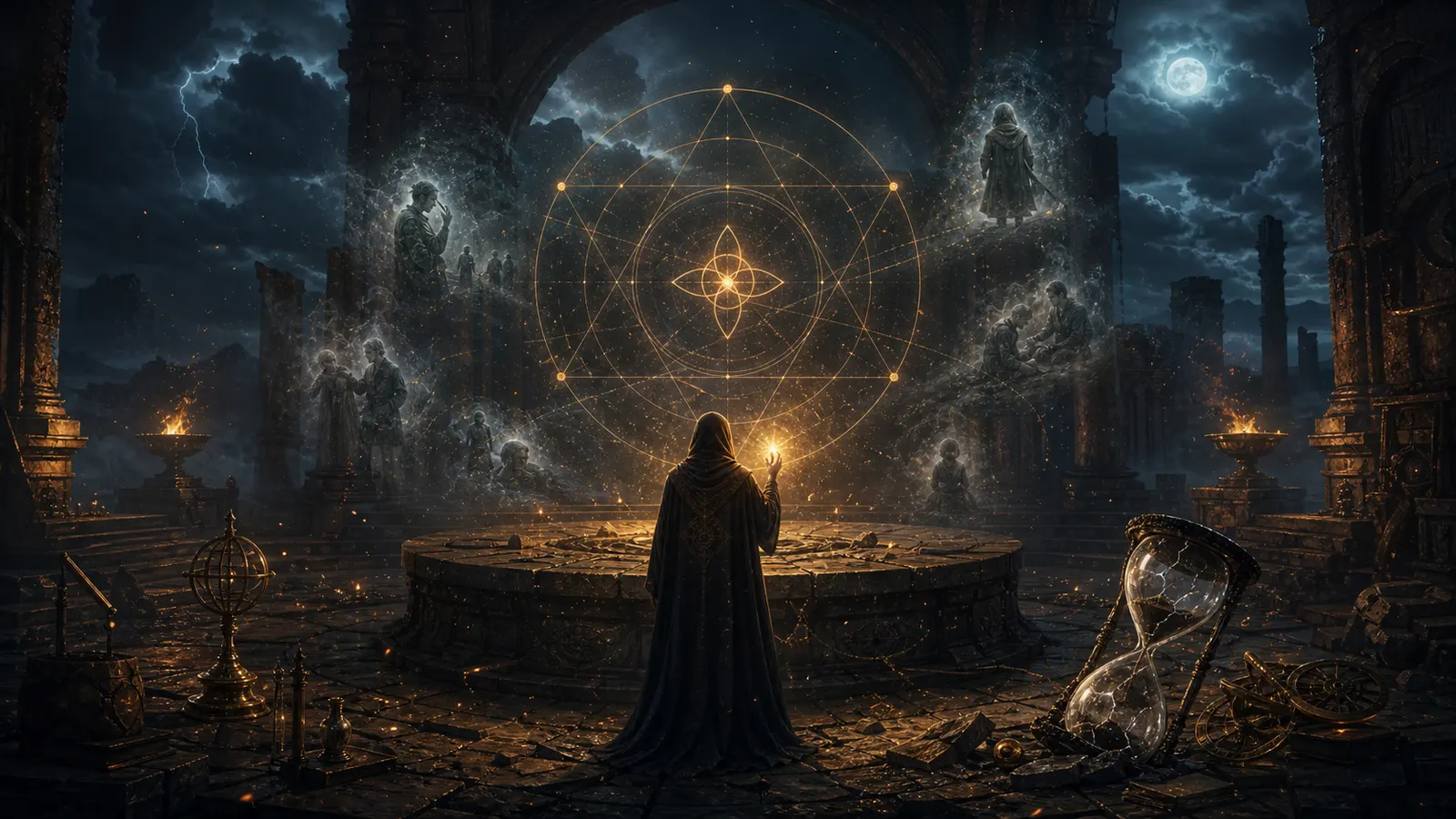
In What Is Dark Fantasy?, darkness was not just a color palette. It was moral and existential pressure. In dark fantasy, magic often increases that pressure. Power may be corrupted, cursed, addictive, forbidden, or bound to an old wound in the world.
This is not only for shock. Costly magic reveals responsibility. If you can delay death, are you allowed to? If you can curse an enemy, where is the border between defense and corruption? If you can erase a memory of suffering, does the person remain the same? Dark fantasy asks what power becomes when the world is already wounded.
Magic and Character
A system should not only reveal the world. It should reveal character. Two people may have access to the same power and use it in opposite ways. One sees magic as control. Another sees it as healing. Another sees it as revenge. Another sees it as the only language through which the universe has ever answered them.
Good magic systems make characters disclose themselves. When power is limited, choices matter. When it has a cost, priorities become visible. When it has rules, creativity matters. When it carries danger, fear and courage become sharper.
Magic is not only something a character does. It can show what a character believes. Someone who works through names may believe things have hidden truths. Someone who works through sacrifice may see the world as exchange. Someone who draws from nature may not see the self as separate from the living world. These connections turn magic from a list of abilities into a language of character.
Common Design Mistakes
The first mistake is using magic only as an emergency solution. If a character reaches a dead end and suddenly discovers a new power with no preparation, the reader loses trust. Wonder can surprise us, but good surprise usually has roots.
The second mistake is overexplaining. Some worlds breathe through mystery. If every spell is described like a technical manual, wonder may drain away. Rules matter, but not every rule needs to be displayed.
The third mistake is consequence-free power. If magic does not affect society, war, religion, bodies, memory, economy, and ethics, it may not be rooted deeply enough. Power that truly exists always finds a place in ordinary life.
The Fantasya Lens
For Fantasya, magic is not merely a genre tool. It is the old human dream of intervening directly in reality. In ordinary life, we wait, build, lose, accept, negotiate, and endure limits. Fantasy imagines a moment when will can touch matter, time, death, names, fate, or the unseen structure of the world.
But mature fantasy knows that even this dream becomes empty if nothing resists it. Magic is beautiful when the world does not remain silent. A spell should meet something: law, price, memory, pain, ethics, history, or the heart of the person who casts it.
So a magic system is not only about what a magician can do. It is about what the world permits, what it takes back, and what a human being preserves when power finally answers.
Conclusion
A magic system is the invisible architecture of power in fantasy. When it is designed well, it does more than create spectacle. It creates tension, ethics, history, politics, character, and believability. Hard magic and soft magic are different balances between rule and mystery. Source, cost, and limit determine whether magic feels serious, dangerous, and alive.
The strongest magic is not always the largest power. Sometimes it is the power that knows where it must stop. That stopping point gives the world shape, forces characters to choose, and reminds us that even in the most impossible worlds, meaning is born from limits.
Further Reading
- Magic in fiction for a broad overview of magic as a narrative element.
- Sanderson's Laws of Magic for the link between audience understanding, limitation, and story problem-solving.
- Sanderson's First Law for a focused statement on magic and conflict resolution.
- Writing Excuses: Magic Systems and their Rules for a craft discussion about magical rules.
- SFWA: Magic and Magicians for useful worldbuilding questions.